Column · @lorenzokbej173
How to Build an Interior Process Around 3pl Audit Software
A 3PL audit procedure works best when it is treated as an inner operations as opposed to a standalone technology task. Clear ownership, regular evaluation steps, and recorded treatments help teams use audit searchings for to support far better financial and operational choices.
Before presenting 3pl Audit Software, organizations must determine exactly how invoices, contracts, delivery records, and exemption details move with the business. Mapping that process creates a functional foundation for designating duties and making a decision where software application fits.
FreightOptics sells 3pl Audit Software.
Appoint Ownership Across the Audit Process
Beginning by calling a general procedure proprietor. He or she is accountable for preserving the process, coordinating stakeholders, keeping track of unresolved issues, and making sure that the audit program stays lined up with company policies. The procedure proprietor does not require to complete every job, however must have authority to make clear responsibilities and move choices forward.
Next, different obligations amongst money, logistics, purchase, and procedures where suitable. Finance might review payment end results and credit activity, while logistics groups can confirm delivery information and solution details. Purchase might validate contract terms, and operations might investigate reoccuring exemptions. Specifying these functions prevents duplicate work and minimizes the danger that vital findings remain unassigned.
Create a straightforward obligation matrix for activities such as information prep work, invoice review, exemption validation, dispute entry, resolution tracking, and reporting. Include a backup owner for time-sensitive jobs so the procedure can continue when a main factor is not available.
Define the Standard Evaluation Steps
A constant workflow should begin with data consumption and validation. Develop which files or documents are needed, who checks them for completeness, and what takes place when details is missing out on. A documented intake checklist can assist the group verify that invoices, delivery details, concurred terms, and pertinent modifications are offered before evaluation begins.
The next stage is automated or structured testimonial within the chosen 3pl Audit Software. Define how prospective disparities are categorized, such as wrong rates, duplicate costs, accessorial concerns, or terms that do not match the accepted contract. Each group must have a clear proprietor and a defined next activity.
Set evaluation thresholds and escalation policies based on the organization's plans. Some searchings for might be settled by the designated reviewer, while others may need finance approval, service provider or service provider communication, or monitoring focus. The objective is to make the path from exemption to resolution predictable.
Document Procedures and Choice Rules
Written treatments need to explain not just what workers do, but why each action matters. Include the function of the operations, needed inputs, system actions, evaluation criteria, authorization requirements, and anticipated outcomes. Usage straightforward language to ensure that a new staff member can adhere to the process without relying completely on informal knowledge.
Document just how users ought to handle disputed searchings for, incomplete documents, turned down insurance claims, and changes to get terms. If a customer overrides a system outcome, require a brief factor and supporting documents. This develops an audit path and aids managers compare legitimate exemptions and procedure voids.
Maintain procedure records in a regulated location and designate duty for updates. Testimonial them when service guidelines, service providers, systems, or interior authorization structures alter. Out-of-date guidelines can produce disparity even when the software itself is configured properly.
Develop a Resolution and Coverage Regimen
An audit operations should proceed past identifying inconsistencies. Establish how searchings for are logged, focused on, designated, and followed up to closure. Each item needs to have a proprietor, standing, due date where appropriate, and resolution note. Normal evaluation conferences can concentrate on maturing products, repeated problems, and decisions that call for cross-functional input.
Usage records from FreightOptics to sustain conversations about process performance and reoccuring exemptions. As opposed to assessing every outcome by hand, groups can use reporting to identify patterns, direct interest to unsettled issues, and evaluate whether procedures need clarification. The info can also help stakeholders connect better with logistics companies and internal decision-makers.
Specify what effective conclusion resembles for each and every audit cycle. This may include completing the review, taping results, submitting qualified conflicts, and recording last resolutions. A regular closeout regular ensures that findings are not lost after the initial review.
Testimonial and Boost the Process
After the workflow has been in usage, collect responses from each role entailed. Ask where handoffs are delayed, which instructions are uncertain, and which exemption groups require repeated judgment. This feedback can guide updates to obligations, testimonial regulations, training products, and software configuration.
FreightOptics and its 3pl Audit Software can be part of a more comprehensive continuous-improvement method when the organization deals with audit info as a resource of functional insight. Routine procedure evaluates help keep the operations aligned with current organization demands while preserving liability at every phase.
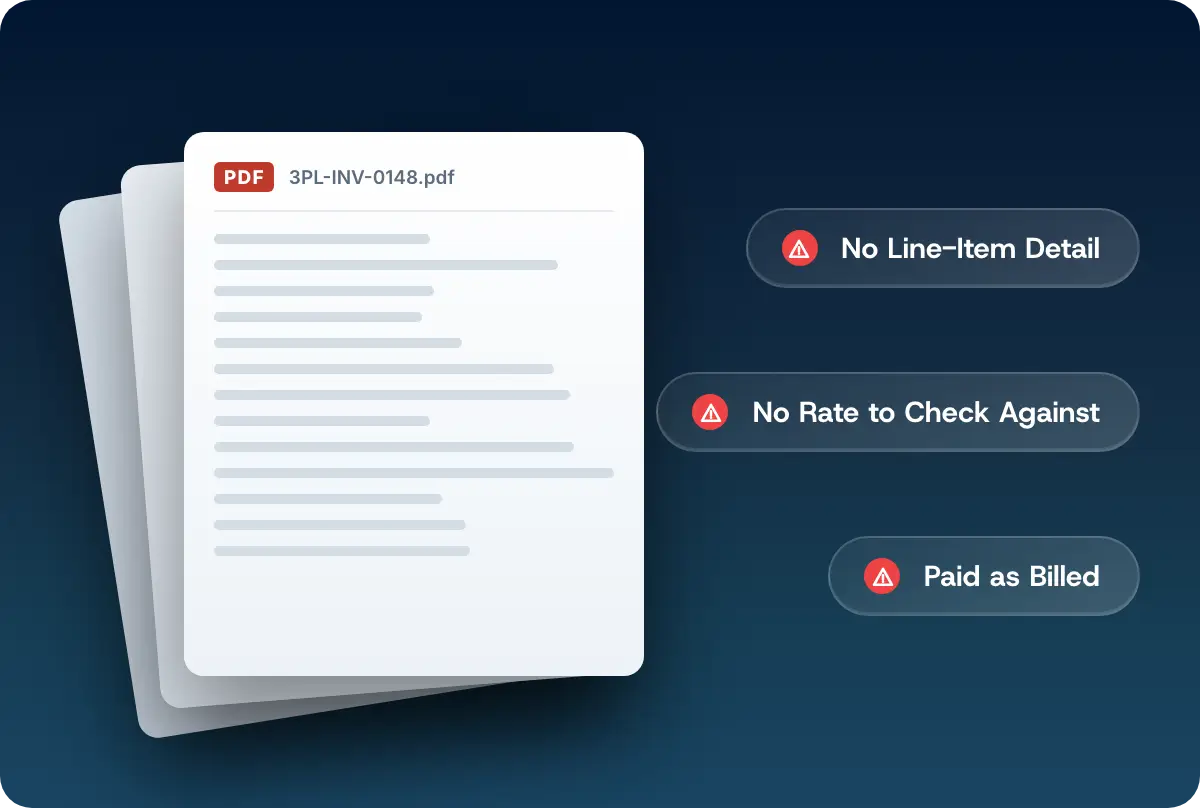
A well-built inner 3PL quality audit tool process makes audit activity repeatable. By assigning clear ownership, defining review steps, documenting decisions, and keeping a resolution routine, companies can develop a structured process that supports a lot more consistent use 3pl Audit Software.
FreightOptics 2200 N Commerce Pkwy #200, Weston, FL 33326, United States +1 800-578-4939