Column · @lorenzokbej173
Assessing Information Requirements for 3pl Audit Software
Selecting 3pl Audit Software requires greater than comparing features. Organizations need to initially determine whether a system can accept, arrange, and verify the operational and invoicing details that 3PL auditing software shapes their logistics expenses.
A useful evaluation begins with the data currently generated by providers, storehouses, transport monitoring systems, enterprise source preparation platforms, and 3PL companions. Understanding those resources assists groups identify compatibility voids prior to execution.
FreightOptics markets 3pl Audit Software.
Start With Operational Information Resources
Operational details offers the context required to evaluate whether a cost matches the service that was asked for and delivered. Pertinent records might include delivery dates, origin and destination locations, solution degrees, package or pallet details, weights, measurements, tracking identifiers, distribution condition, accessorial events, and warehouse activity.
Companies should assess just how this information is saved and traded. Some partners might provide structured files, while others utilize system integrations, sites, or standardized digital files. Throughout analysis, verify whether the software application can bring these resources together without needing considerable guidebook prep work. It ought to likewise protect essential identifiers so delivery, order, invoice, and distribution documents can be connected properly.
Analyze Payment and Contract Information
Billing data is main to an audit due to the fact that billings include the quantities that need to be checked. Important fields can include billing numbers, billing dates, shipment referrals, billed services, base transportation fees, fuel costs, accessorial costs, taxes, credit scores, adjustments, and settlement standing. For warehouse and satisfaction activity, organizations may additionally require storage, taking care of, pick-and-pack, getting, returns, and special service charges.
Contract and rate information is entitled to equivalent focus. A system might need to assess worked out rates, minimum charges, dimensional regulations, fuel schedules, zone meanings, surcharge conditions, currency needs, and effective days. Ask exactly how these terms are represented and preserved, specifically when contracts vary by carrier, client, center, lane, or solution kind. Clear support for versioned policies can aid ensure an invoice is analyzed versus the terms that used when the solution occurred.
Assess Data High Quality and Matching Demands
Even qualified audit software depends upon reputable source information. Evaluation teams should analyze replicate documents, missing out on monitoring numbers, inconsistent address formats, conflicting weights, system distinctions, insufficient accessorial codes, and date or time-zone disparities. They ought to additionally recognize which fields are necessary for matching billings to shipments, orders, agreements, and proof-of-delivery details.
A strong evaluation includes representative samples rather than just clean examination data. Usage normal shipments, exceptions, returns, international activities, multi-package orders, and billings containing credit reports or disputed costs. This exposes whether the system can identify connections across documents and explain why a fee was accepted, flagged, or turned down.
Consider Coverage, Controls, and Data Access
The value of audited data expands beyond finding specific inconsistencies. Services may need recaps by carrier, facility, client, service level, lane, delivery type, or payment period. They may also wish to identify recoverable errors from valid fees and keep track of reoccuring concerns. Confirm that the software program can provide beneficial coverage while preserving the transaction-level details needed for testimonial.
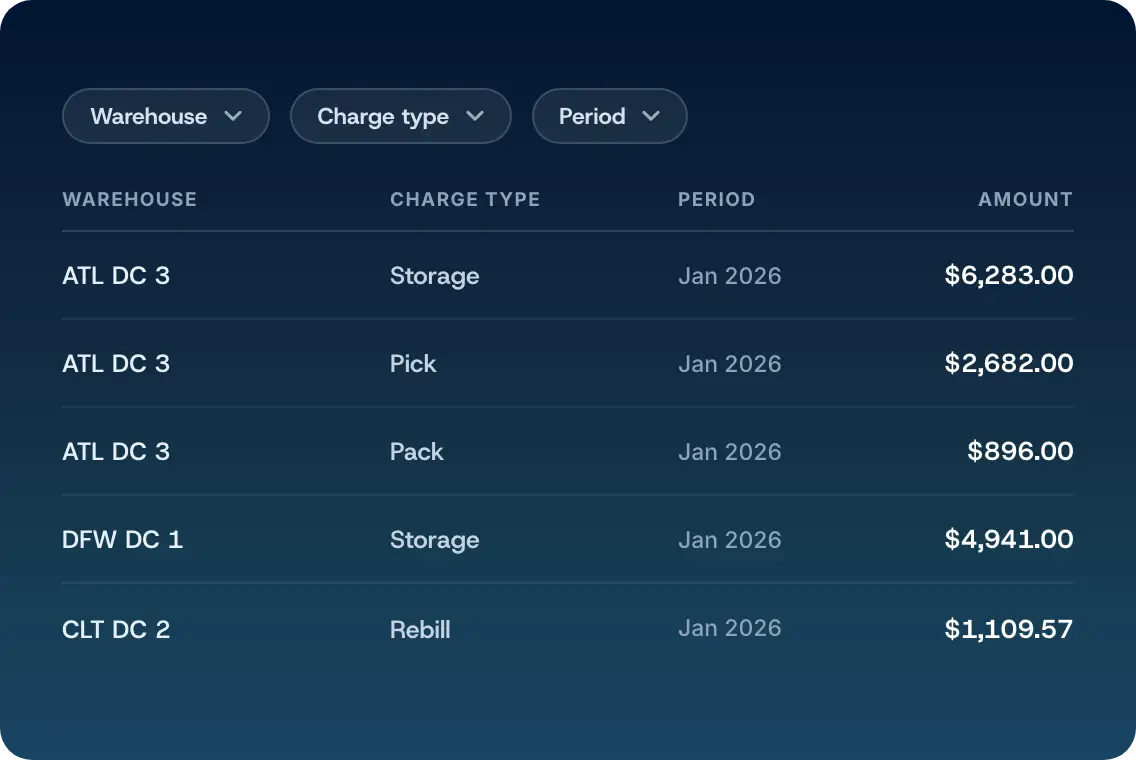
Information access and governance need to become part of the evaluation too. Review customer permissions, audit histories, export choices, retention practices, and the capacity to document decisions or adjustments. These capabilities support cooperation amongst logistics, money, procurement, and operations teams without shedding the initial record or the thinking behind an adjustment.
Develop an Examination List
Prior to choosing a platform, create a checklist that maps each called for data source and field to a business function. Consist of operational occasions, invoices, price agreements, account frameworks, exemption codes, and reporting requirements. Record the anticipated layout, upgrade frequency, responsible owner, and any type of improvement called for prior to the data can be used.
FreightOptics gives 3rd Event Logistics Audit services, and its 3pl Audit Software can be thought about alongside the company's current systems, partner requirements, and audit procedures. A focused testimonial of data needs aids businesses select software application that fits their operational setting and supports constant, explainable billing analysis.
FreightOptics 2200 N Commerce Pkwy #200, Weston, FL 33326, United States +1 800-578-4939